
presents

Canada
thyssenkrupp Materials North America
Case Study: Reducing Tool Breakage and Improving Efficiency Through Innovative Material Solutionsby thyssenkrupp Materials NA Canada
By: thyssenkrupp Materials NA Canada
Case Study Summary
Problem
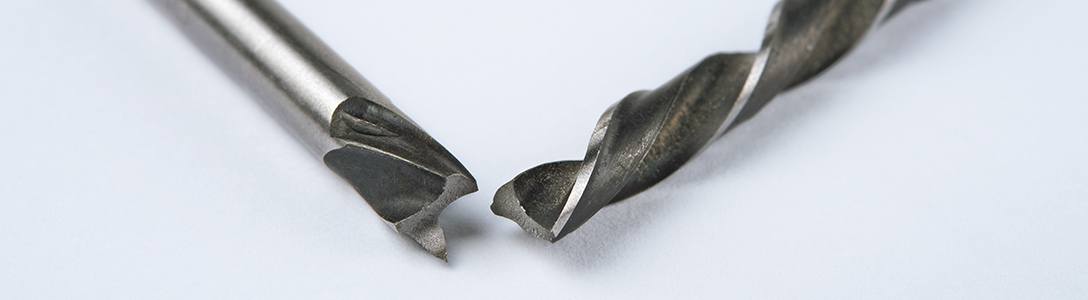
A Quebec-based manufacturer of industrial plumbing drain plugs was experiencing frequent drill bit breakage during aluminum rod machining. The issue caused costly downtime, material waste, and decreased production efficiency.
Solution
thyssenkrupp Materials NA Canada partnered with the customer to conduct a comprehensive tooling and materials analysis. The team identified an alloy better suited for high-speed aluminum drilling and implemented a stock and release program to improve material availability and cash flow. These combined solutions reduced tool failures, improved efficiency, and delivered long-term cost savings.
Introduction: From Routine Supply to Problem-Solving Partnership
A Quebec-based manufacturer specializing in industrial plumbing drain plugs was already a valued partner of thyssenkrupp Materials NA Canada, sourcing aluminum rod for their production needs. As part of their machining process, the partner drilled the rods to achieve the final product dimensions. However, there was a recurring challenge: frequent tool breakage during drilling operations. Drill bits were wearing out prematurely and occasionally snapping, causing costly downtime, material waste, and reduced production efficiency.
Seeking a reliable, cost-effective solution, they turned to thyssenkrupp Materials NA for support. By leveraging our deep materials expertise, our team set out to help them address the immediate tooling issue while also improving process efficiency, extending tool life, and increasing overall manufacturing value.
The Problem: Frequent Tool Breakage During Drilling
Despite an efficient production setup, the manufacturer was facing persistent tool failures during aluminum drilling operations, an issue that had begun to significantly impact their production line. Drill bits were deteriorating much faster than expected, often breaking mid-operation and causing cascading delays throughout the workflow.
Increased Costs
Each instance of tool breakage came with both direct and indirect costs. Replacing worn or broken drill bits demanded additional purchasing and maintenance resources, while unplanned downtime reduced machine utilization and productivity. Over time, these recurring issues eroded profit margins and drove up operational expenses.
Disrupted Production and Extended Timelines
Frequent tool changes forced operators to pause production repeatedly, slowing output and disrupting established schedules. Maintenance teams had to intervene more often, extending turnaround times for each production cycle. These interruptions not only delayed customer deliveries but also limited the manufacturer’s overall production capacity.
As the issue persisted, it became clear that the problem went beyond tooling. It was a materials challenge, affecting the efficiency and reliability of their entire process.
Our Solution: A Smarter Materials Strategy
thyssenkrupp Materials NA partnered closely with our customer to develop a solution to their recurring tool breakage challenge. Our approach started by developing a deep understanding of the full production environment. This included examining the materials undergoing machining, evaluating tooling performance, and assessing operating conditions. We took this comprehensive approach to ensure any recommendation we made would be both practical and performance-driven.
Comprehensive Assessment of Tooling Challenges
The first step was a thorough evaluation of the manufacturer’s existing setup. Our technical team collaborated directly with their production engineers to review drilling parameters, tool geometry, material hardness, and wear patterns. Through on-site observations and metallurgical analysis, we identified how the specific aluminum alloy interacted with the tooling under high-speed, high-friction conditions during machining.
The investigation showed that the alloy in the drill bits did not meet full optimization for the application. Under continuous stress, its limited wear resistance and thermal stability contributed to premature degradation and fracture, ultimately driving the frequent tool failures.
Introducing an Alternate Alloy for Enhanced Durability
Drawing on our global materials network and in-depth product expertise, thyssenkrupp Materials NA recommended an alternative alloy with superior machining capabilities, engineered to endure higher temperatures and mechanical stress.
Our team worked with the customer to validate the new alloy through targeted testing and pilot production. The transition was seamless, requiring no major equipment changes while immediately improving tooling consistency and durability.
Optimized Inventory Management with Stock and Release Program
To further enhance operational efficiency, thyssenkrupp Materials NA implemented a customized stock and release program. This program ensured the customer always had the right amount of material available when needed without tying up valuable cash flow in excess inventory. By aligning material supply with production demand, we helped the manufacturer maintain steady operations, reduce storage costs, and improve financial flexibility.
The Results: Long-Term Efficiency and Cost Savings
Following the implementation of the new alloy and inventory management solution, the customer experienced immediate, measurable improvements across their production line. The new process dramatically reduced tool breakage and extended overall tool life well beyond previous benchmarks. The enhanced durability of the optimized material enabled longer production runs between tool changes, minimizing downtime, maintenance intervention, and lost production hours.
In addition, the introduction of a tailored stock and release program improved the manufacturer’s material availability and cash flow management, ensuring consistent supply without excess inventory costs.
Together, these improvements delivered lasting benefits across key performance areas:
- Reduced Tool Breakage and Extended Tool Life: The alloy’s superior wear resistance and stress tolerance virtually eliminated premature tool failures, allowing for continuous, uninterrupted production. Its enhanced material composition significantly increased tool durability, extending replacement intervals and improving overall reliability.
- Improved Production Efficiency: Smoother, more consistent drilling operations increased throughput and process stability, enabling the manufacturer to meet production targets with greater precision and predictability.
- Lower Operating Costs: With fewer tool replacements, reduced downtime, and improved inventory management, the customer achieved measurable cost savings across tooling, labor, and storage expenses.
This collaboration between thyssenkrupp Materials NA and our customer demonstrates how a strategic, materials-driven partnership can transform production performance. By combining deep technical expertise with practical supply chain solutions, thyssenkrupp delivered a comprehensive approach that resolved the immediate tooling issue, optimized operations, and enhanced long-term process stability and profitability.
Facing Similar Challenges? Let’s Talk.
If your operations are experiencing tooling inefficiencies, material compatibility issues, or production slowdowns, our team is ready to help. We’ll work with you to assess your current setup, identify improvement opportunities, and implement smarter materials and processing strategies that save time, reduce waste, and lower costs.
At thyssenkrupp Materials NA, we help customers accelerate performance and increase value through innovative materials, value-added processing, and reliable supply chain solutions.
Contact us today to learn how our expertise can support your manufacturing goals.
