presents

Canada
thyssenkrupp Materials North America
Regulatory Impacts on Metals Used in Power Distributionby Mark Kowalski
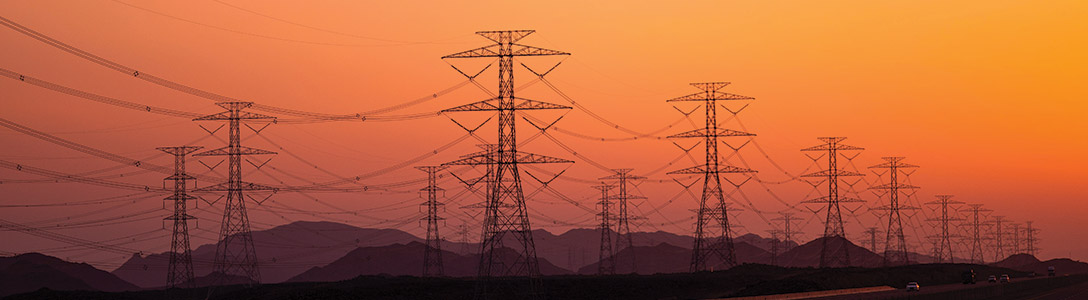
Power distribution systems are the backbone of modern society, delivering electricity to homes, businesses, and entire communities. At the core of these systems are metals like copper, aluminum, and steel that ensure power flows efficiently and reliably. Traditionally, engineers selected materials for conductivity, strength, and durability. Today, however, a complex web of regulations shapes material choices. These regulations aim to safeguard public safety, drive efficiency, and accelerate the transition to a sustainable energy future.
This regulatory environment requires businesses to navigate domestic standards such as the Canadian Electrical Code (CEC), CSA Group specifications, and Natural Resources Canada (NRCan) programs, while also aligning with international frameworks that shape global supply chains. From hazardous substance restrictions to climate-focused mandates, regulations are no longer a background consideration; they are actively redefining how metals are sourced, designed, and implemented in modern power distribution.
For Canadian businesses, compliance positions infrastructure and supply chains to be reliable, future-ready, and globally competitive. This article examines the regulatory forces influencing metal use in power distribution and explores how companies can adapt strategically.
Environmental Regulations and the Push for Sustainable Materials
Across North America, regulators are tying material choices directly to climate policy. Canada’s commitments, achieving a net-zero electricity grid by 2035 and net-zero emissions across the economy by 2050, mean that the metals enabling power distribution must meet rising expectations for sustainability as well as performance.
Canada’s Clean Electricity Regulations and the Renewable Transition
The federal Clean Electricity Regulations (CER) are phasing out fossil-fuel-fired generation in favor of low- and zero-emission energy sources. This transition reshapes infrastructure requirements and metals needed to deliver reliable power.
Two major impacts on power distribution infrastructure stand out:
- Higher Performance Demands Renewable energy brings variability and decentralization. Copper’s unmatched conductivity and durability make it indispensable for grid stability, while aluminum’s lightweight, recyclable properties enable cost-efficient scaling of transmission infrastructure.
- New Infrastructure Requirements Supporting technologies like battery storage, hydrogen systems, and carbon capture all depend on metals like stainless steel and nickel alloys, which provide the corrosion resistance and long-term strength needed in demanding environments.
Put simply, regulations such as CER are not only shape how companies generate electricity; they are also defining the very metals required to move it safely and sustainably.
Decarbonization Incentives and Corporate Sustainability
Beyond federal mandates, Canadian utilities and corporations are setting ambitious sustainability goals, many aligned with the Net-Zero Emissions Accountability Act. These targets often outpace regulatory minimums, pushing material choices toward long-term efficiency rather than short-term cost savings.
- Copper commands higher upfront costs but reduces total ownership expenses through lower transmission losses and longer service life.
- Aluminum continues to be a workhorse for transmission lines, balancing cost, weight, and recyclability, while advanced alloys improve durability.
The shift is clear: sustainability and lifecycle performance are becoming the dominant factors in material selection.
Hazardous Materials Restrictions
One of the most globally influential regulations remains the EU’s Restriction of Hazardous Substances (RoHS) directive. While originally focused on electronics, its reach now extends into power infrastructure, restricting substances like lead, cadmium, and mercury.
For companies operating internationally, RoHS compliance is both a requirement and a competitive differentiator. Transitioning to safer metals such as copper and aluminum not only mitigates environmental risk but also aligns with customer demand for responsible, future-ready infrastructure.
By adopting RoHS-compliant metals proactively, businesses avoid costly redesigns, safeguard their supply chains, and reinforce reputations for reliability.
Rising Energy Demands and the Role of Data Centers
As global electricity demand surges, data centers have emerged as a focal point for regulatory scrutiny. These mission-critical facilities require uninterrupted power at massive scale, making reliability, efficiency, and resilience essential. In Canada, national codes, CSA standards, international frameworks, and provincial reliability rules together define how data centers manage energy distribution and backup systems.
Standards for Data Center Backup Systems
Data centers depend on seamless transitions between grid power and backup systems. Canadian and international standards provide a framework for ensuring that power never falters:
- Canadian Electrical Code: Establishes nationwide requirements for electrical installations, including backup power systems, ensuring safety and consistency across provinces.
- CSA Standards for Energy Storage: Offer guidance on connecting and operating battery energy storage systems within Canada’s grid.
- Uptime Institute & International Standards (ISO/IEC 22237): Widely adopted in Canada, these standards shape redundancy, energy efficiency, and backup requirements for mission-critical facilities.
- Provincial Utility Reliability Standards: Grid operators such as Ontario’s Independent Electricity System Operator (IESO), the Alberta Electric System Operator (AESO), and Hydro-Québec set additional requirements for reliability, contingency planning, and interconnection. These rules directly influence how data centers size and design their backup capacity.
Material Demands in Backup Systems
The metals chosen for storage and backup infrastructure determine how effectively data centers can deliver uninterrupted power:
- Battery Storage Systems: Growing reliance on lithium-ion and advanced chemistries emphasizes metals such as nickel and cobalt for high energy density and stability, while aluminum supports lightweight, scalable cell design.
- Uninterruptible Power Supplies (UPS): Copper remains critical for minimizing resistance and energy loss during short-term disruptions, bridging the gap between utility supply and backup generation.
- High-Reliability Components: Nickel alloys and stainless steels deliver the durability and corrosion resistance needed in switchgear, enclosures, and generator components, ensuring seamless performance during outages.
Energy Efficiency Regulations: Driving Smarter Material Choices
Rising energy use has intensified regulatory focus on efficiency. Since the metals used in transmission and distribution directly affect energy loss, material selection is at the core of compliance and performance:
- Copper vs. Aluminum: Copper provides superior conductivity and lower resistance, cutting down on losses and enhancing long-term reliability. Aluminum remains a cost-effective alternative for transmission, though its performance depends on advanced alloying and protective coatings.
- Thermal Management: Regulations are pushing operators toward better heat control as infrastructure becomes denser. Metals with high thermal conductivity help limit overheating, stabilize grid operations, and reduce cooling costs.
- Lifecycle Costs: Durable metals that resist wear, corrosion, and fatigue extend system life, lowering replacement frequency and improving efficiency over time.
Navigating Regulatory Changes in Metal Selection
Meeting evolving energy and environmental standards requires more than simply substituting one material for another. Companies must take a proactive, strategic approach:
- Stay Informed: Monitor updates from the Canadian Electrical Code (CEC), CSA Group standards, Natural Resources Canada (NRCan), and federal initiatives under the Canadian Net-Zero Emissions Accountability Act to anticipate future requirements.
- Balance Trade-offs: Copper remains the benchmark for conductivity and reliability, while aluminum offers cost and weight savings that support efficiency goals.
- Think Beyond Borders: Canadian companies often serve global markets. Aligning with international frameworks like RoHS, the EU Circular Economy Action Plan, and U.S. standards positions businesses to remain competitive worldwide.
- Collaborate with Trusted Suppliers: Working with suppliers who understand both Canadian and international compliance landscapes ensures access to certified, high-performance materials that meet evolving expectations.
By combining technical expertise with regulatory awareness, Canadian companies can ensure their metal selection strategies are not just compliant but also future-ready.
Building a Resilient, Compliant Future
In today’s power distribution landscape, conductivity and mechanical strength no longer solely guide material selection. Regulatory frameworks, which sustainability, safety, and efficiency priorities shape, are equally influence decisions.
Companies that anticipate and adapt to evolving standards can do more than simply maintain compliance. They can lead the way in building a more reliable, efficient, and sustainable energy infrastructure. By choosing metals that balance technical performance with regulatory expectations, businesses are investing in systems that are resilient, cost-effective, and prepared for the future.
At tk accelis Materials Plus, we combine expertise in high-performance metals with a deep understanding of both Canadian and international compliance requirements. Our team partners with customers to navigate regulatory complexity and deliver certified, future-ready materials.
Connect with us to learn how we can support your next power distribution project, helping you meet today’s standards while preparing for tomorrow’s challenges.
References:
European Union. (2011, June 8). Directive 2011/65/EU of the European Parliament and of the Council on the restriction of the use of certain hazardous substances in electrical and electronic equipment (recast). Official Journal L 174, 1–110. https://eur-lex.europa.eu/legal-content/EN/TXT/?uri=CELEX:32011L0065.
Government of Canada. (2021). Canadian Net-Zero Emissions Accountability Act, S.C. 2021, c. 22. https://laws-lois.justice.gc.ca/eng/acts/c-19.3/fulltext.html.
Government of Canada. (2024, December 18). Regulations amending the Clean Electricity Regulations, SOR/2024-263. Canada Gazette, Part II, 158(26). https://gazette.gc.ca/rp-pr/p2/2024/2024-12-18/html/sor-dors263-eng.htm.